
"Colombia coffee policy"
400 article(s) found

Huilan & #12539; Lerusa Manor, Colombia
Manor basic information origin: Colombia Huilan Lerusa Manor Tree species: old varieties Bobang 60%, Tibica 40% altitude: 1550 meters taste: sweet pulp, mellow, depth, excellent sense of balance the manor does not use a high-speed and convenient dryer, but uses the traditional SUN DRY drying method, acid and alcohol bitterness get the greatest concentration and sublimation. The highest grade in Huilan District, a famous place in Colombia.
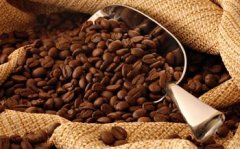
Huilan & #12539; Lerusa Manor, Colombia
Manor basic information origin: Colombia Huilan Lerusa Manor Tree species: old varieties Bobang 60%, Tibica 40% altitude: 1550 meters taste: sweet pulp, mellow, depth, excellent sense of balance the manor does not use a high-speed and convenient dryer, but uses the traditional SUN DRY drying method, acid and alcohol bitterness get the greatest concentration and sublimation. The highest grade in Huilan District, a famous place in Colombia.

Introduction to Valenford Manor in Jamaica Blue Mountain Coffee Flavor
Blue Mountain Coffee can maintain today's top status, but also closely related to the local business policy. In 1932, Jamaica adopted a policy to encourage coffee production to reduce the island's dependence on sugar exports. Unlike most coffee producing countries, the local government does not plant a large number of high-yield and poor-quality coffee in order to increase the output value, but takes the quality as the best, preferring to sacrifice the coffee production.

Coffee Bean Manor Huilan Lerusa Manor, Colombia
Manor basic information origin: Colombia Huilan Lerusa Manor Tree species: old varieties Bobang 60%, Tibica 40% altitude: 1550 meters taste: sweet pulp, mellow, depth, excellent sense of balance the manor does not use a high-speed and convenient dryer, but uses the traditional SUN DRY drying method, acid and alcohol bitterness get the greatest concentration and sublimation. The highest grade in Huilan District, a famous place in Colombia.

Jamaican Blue Mountain Coffee Latte Mocha Hawaiian Kona is delicious
Blue Mountain Coffee can maintain today's top status, but also closely related to the local business policy. In 1932, Jamaica adopted a policy to encourage coffee production to reduce the island's dependence on sugar exports. Unlike most coffee producing countries, the local government does not plant a large number of high-yield and poor-quality coffee in order to increase the output value, but takes the quality as the best, preferring to sacrifice the coffee production.

Introduction to the method of describing the Flavor of Jamaican Coffee
Blue Mountain Coffee can maintain today's top status, but also closely related to the local business policy. In 1932, Jamaica adopted a policy to encourage coffee production to reduce the island's dependence on sugar exports. The local government does not plant a large number of high-quality and poor-quality coffee in order to increase the output value, as most coffee-producing countries do, but prefer to sacrifice coffee production by giving priority to quality.
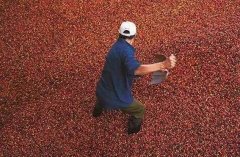
Introduction of Fine Coffee in Huilan Lerusa Manor, Colombia
Manor: Colombian Huilan Lerusa Manor Tree species: old Bobang 60%, Tibica 40% altitude: 1550 meters above sea level: sweet pulp, mellow, depth, excellent sense of balance the manor does not use a high-speed and convenient dryer, but uses the traditional SUN DRY drying method. Manor basic information origin: Colombia Huilan Lerusa manor tree species: old varieties Bobang 60%, Tibika 40

How much is the coffee bean in 2019? 2019 per jin of imported coffee bean price list of roasted cooked beans
Professional coffee knowledge exchange more coffee bean information Please pay attention to the coffee workshop (Wechat official account cafe_style) Coffee varieties are mainly divided into two categories, namely, Arabic and Robusta. Arabica varieties grow in a harsh environment and have high planting costs. The yield accounts for 2% of coffee production. The main producing areas are Brazil, Colombia and Latin America.

Introduction to Jamaican Blue Mountain Coffee with unique sour, bitter, sweet, mellow and other flavors
Blue Mountain Coffee can maintain today's top status, but also closely related to the local business policy. In 1932, Jamaica adopted a policy to encourage coffee production to reduce the island's dependence on sugar exports. Unlike most coffee producing countries, the local government does not plant a large number of high-yield and poor-quality coffee in order to increase the output value, but takes the quality as the best, preferring to sacrifice the coffee production.

Introduction to the processing methods of coffee flavor description in Costa Rican Goddess Manor
Colombia pursues a foreign policy of peace and neutrality, supports the principles of self-determination and non-interference in internal affairs of all peoples, attaches importance to the development of traditional friendly relations with Latin American countries, actively promotes the process of regional economic integration, and supports the establishment of the Free Trade area of the Americas. He was elected three times as a non-permanent member of the United Nations Security Council (1974-1975, 1997-1998 and 2008-2009).
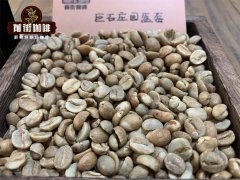
Classic flavor of Costa Rican boutique coffee Costa Rica only grows Arabica coffee
The origin of Costa Rican coffee can be traced back to the introduction of Cuban coffee in 1729, and began to export coffee to Colombia and Chile in 1820, and shipped it to London in 1845, which was called golden beans by British aristocrats. In 1825, the Costa Rican government announced the implementation of a duty-free policy for coffee. After 1832, it actively promoted the coffee industry and encouraged private small farmers.

Introduction to the characteristics of Jamaican Coffee Flavor description and High-quality Coffee beans in producing areas
Blue Mountain Coffee can maintain today's top status, but also closely related to the local business policy. In 1932, Jamaica adopted a policy to encourage coffee production to reduce the island's dependence on sugar exports. Unlike most coffee producing countries, the local government does not plant a large number of high-yield and poor-quality coffee in order to increase the output value, but takes the quality as the best, preferring to sacrifice the coffee production.

The Historical Story of Brazilian Coffee suggestions on the characteristics of hand-flavored Flavor of Brazilian Coffee beans
Professional coffee knowledge exchange more coffee bean information please follow the coffee workshop (Wechat official account cafe_style) Brazil is likened to the giant and monarch of the coffee world. There are about 3.97 billion coffee trees there, and small farmers now grow 75% of the country's coffee. The number of people engaged in coffee production in Brazil is twice or even five times that in Colombia.
Brazil (South America) Santos Coffee-which big country is Brazil in South America?
There are many kinds of coffee here, but its industrial policy is large and cheap, so there is not much premium coffee, but it is a good choice for mixing other coffees. One of the most famous is Sandos Coffee, which tastes mellow and neutral. It can be boiled directly or mixed with other kinds of coffee beans to form a comprehensive coffee. It is also a good choice. Other kinds of Brazilian coffee such as
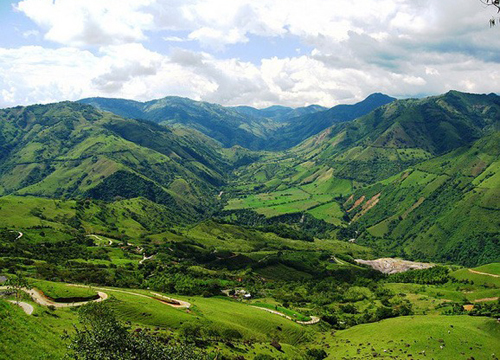
Columbia Coffee Coffee Manor Columbia Huilan Coffee Estate
Manor basic information origin: Colombia Huilan Lerusa Manor Tree species: old varieties Bobang 60%, Tibica 40% altitude: 1550 meters taste: sweet pulp, mellow, depth, excellent sense of balance the manor does not use a high-speed and convenient dryer, but uses the traditional SUN DRY drying method, acid and alcohol bitterness get the greatest concentration and sublimation. The highest grade in Huilan District, a famous place in Colombia.

Top Ten famous producers and exporters of High quality Coffee
Good coffee beans are a necessary condition for making a good cup of coffee, so how to choose coffee beans? good coffee must start from the source. Let's take a look at the top ten coffee producing countries in the world! 1. Brazil if you are a coffee drinker, you must know that one of the first countries to produce some of the best coffee is Brazil. An estimated 54 million bags of coffee are produced in Brazil.
What are the coffee beans grown and produced in Brazil?
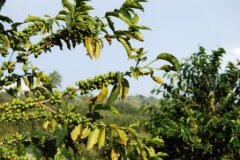
Brazil has been figuratively compared to the giants and kings of the coffee world. There are about 3.97 billion coffee trees, and small farmers now grow 75 percent of Brazil's coffee. Brazil has twice or even three times as many coffee producers as Colombia, which is the world's second-largest coffee producer. Brazil is naturally located in the tropics, north
Columbia Coffee Manor
Manor basic information origin: Colombia Huilan Lerusa Manor Tree species: old varieties Bobang 60%, Tibica 40% altitude: 1550 meters taste: sweet pulp, mellow, depth, excellent sense of balance the manor does not use a high-speed and convenient dryer, but uses the traditional SUN DRY drying method, acid and alcohol bitterness get the greatest concentration and sublimation. The highest grade in Huilan District, a famous place in Colombia.

The coffee-producing country of Jamaica, one of the countries with low coffee production in the world, introduces
Blue Mountain Coffee can maintain today's top status, but also closely related to the local business policy. In 1932, Jamaica adopted a policy to encourage coffee production to reduce the island's dependence on sugar exports. Unlike most coffee producing countries, the local government does not plant a large number of high-yield and poor-quality coffee in order to increase the output value, but takes the quality as the best, preferring to sacrifice the coffee production.

Introduction of coffee flavor and taste characteristics of Costa Rican San Roman Manor with rich taste
Costa Rica is one of the first countries in the Americas to establish a democratic system, and the idea of freedom and equality is deeply rooted. Costa Ricans love peace and oppose violence. As early as December 1, 1948, Costa Rica announced the abolition of the armed forces and the establishment of the National Guard, becoming the first country in the world without an army. [8] in 2007, there were 18000 police officers, which put an end to the possibility of soldiers interfering in politics.